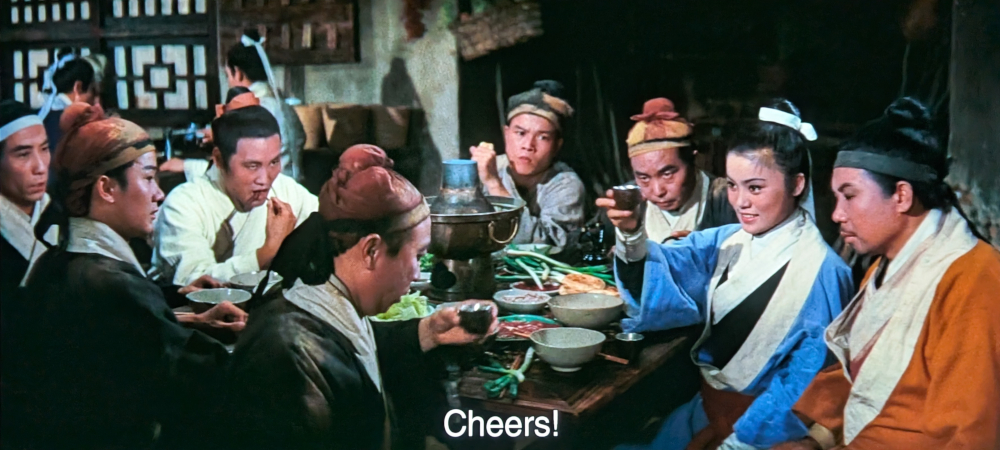
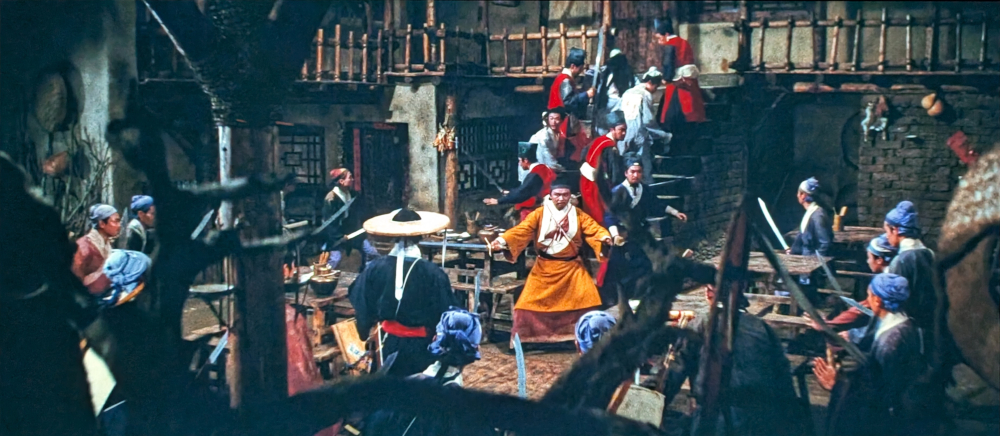
 King Hu’s renowned wuxia classic delivers both narrative tension and great martial arts. The first half brings together the main players, who don’t know each other, at the Dragon Inn. The dramatic irony builds suspense as each new arrival tries to understand who the other guests are. Battles erupt when it turns out all of them are waiting for the same band of fugitives.
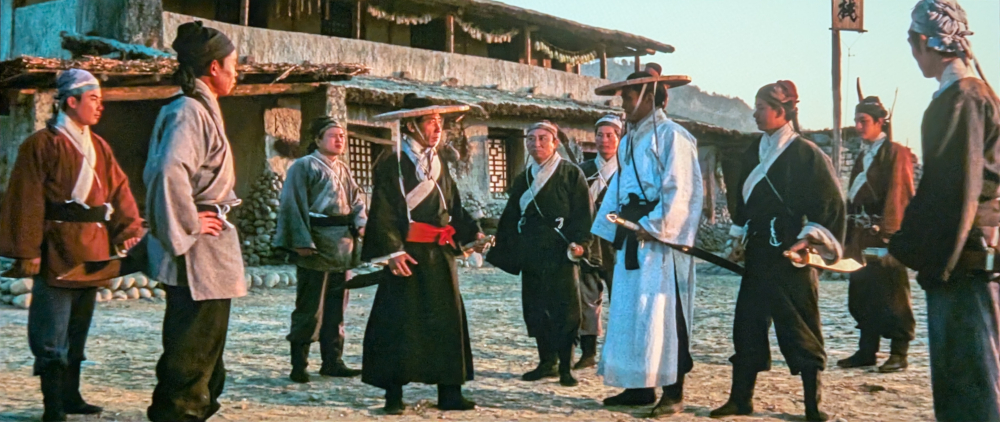
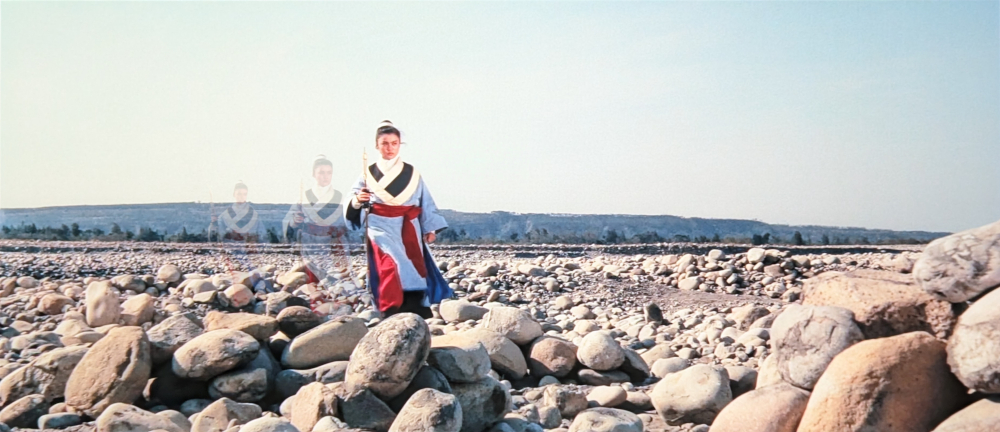
The fight scenes hold up well on modern standards. Hu used limited amounts of wire-fu footage, opting instead for quick cuts to imply flying. The fight choreography also does well on the standard of multiple movements before a cut. According to Wikipedia, chreographer Han Ying-chieh aimed to make the battles more like ballet than a plausible fight. The battle between Zhu Hui and Mao Zongxian is a good examle of this. The combatants move deftly around the same area and extensively use the surroundings. The fight has an extensive back-and-forth that convincingly ends in a draw.
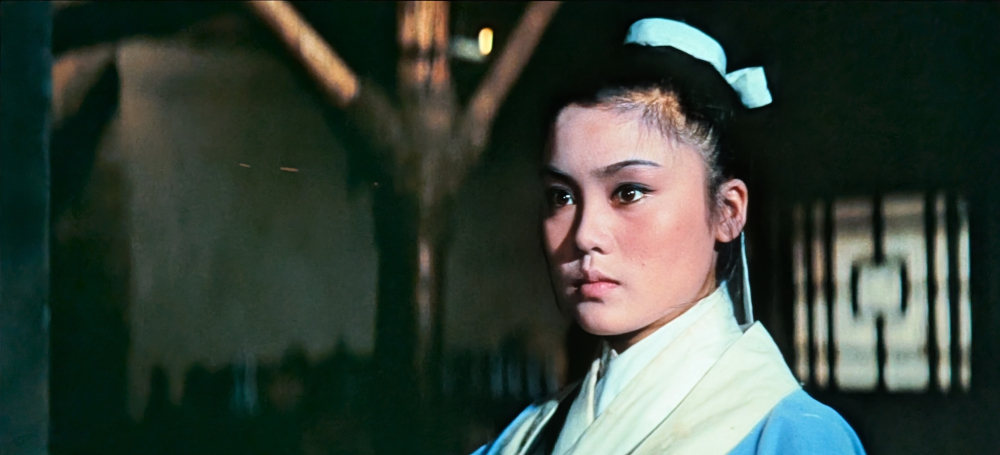
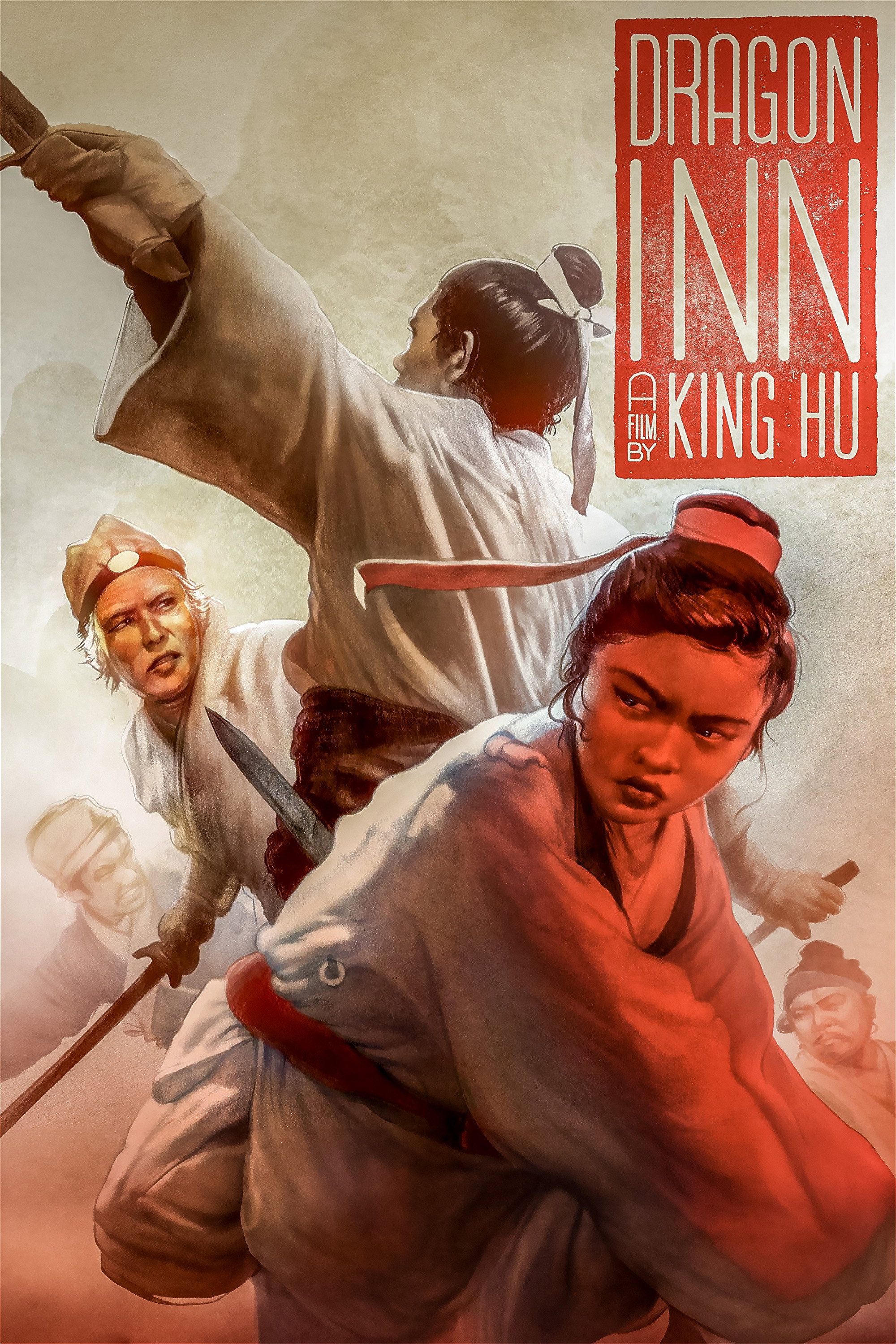
The portrayal of a capable swordswoman was a pleasant surprise in a movie from 1967. Moreover, she’s neither assistant nor damsel. She’s both a better fighter and more savvy than her brother. In the climax, she tells Xiao Shaozi that he’ll need her help to defeat the villain. And she’s right. The four men are unable to take down Cao Shaoqin until she joins. Her importance is captured in Greg Ruth’s beautiful poster.
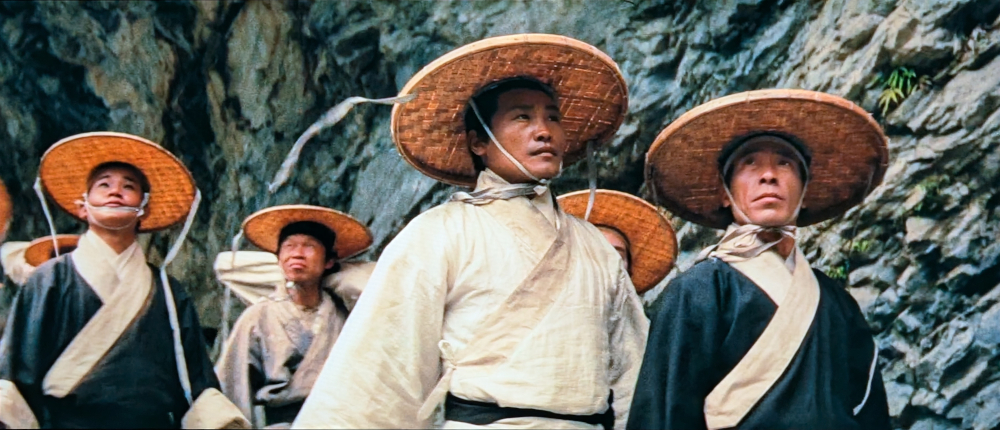
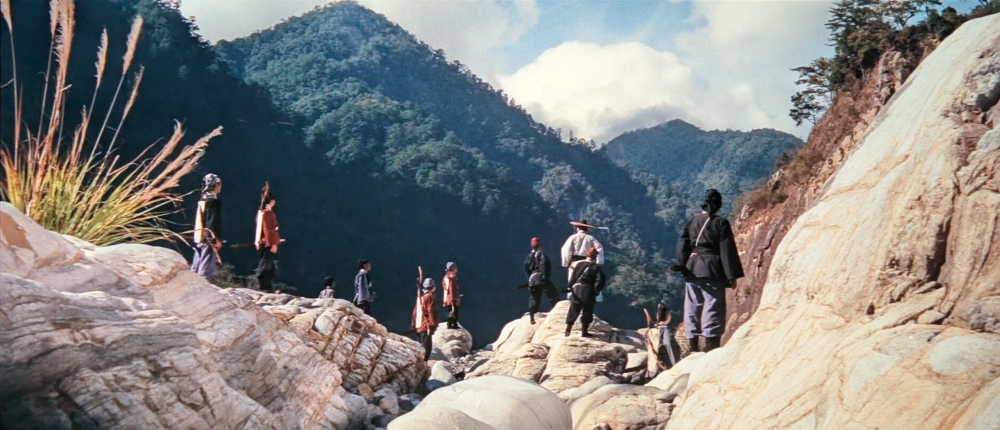
Hu filmed The Dragon Inn in widescreen and used it to full effect, capturing group dynamics, expansive fight sequences, and capturing stunning landscapes. The cinematography is aging well. Aging less well is the hero’s repeated use of the villain’s castration as an attack on his manhood. Even as an insult, it’s used a few too many times to be considered witty.
Still, the movie is worth watching for the suspense and action, and it’s still a classic for fans of the genre.