
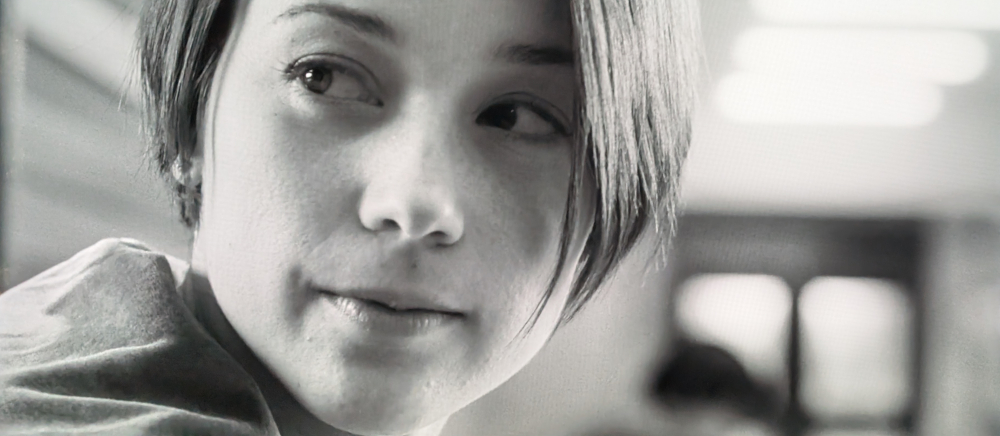
In 1989, a shooter went on a rampage at the École Polytechnique in Montreal, killing 14 and injuring another 14. His targets were women, all of whom he referred to as “feminists”. Released 20 years after the event, Polytechnique is a factual reconstruction of the shooting with fictional characters. This semi-fictional approach preserved the victims’ privacy and allowed the film to build a broader context to the lives its female characters’ were experiencing.
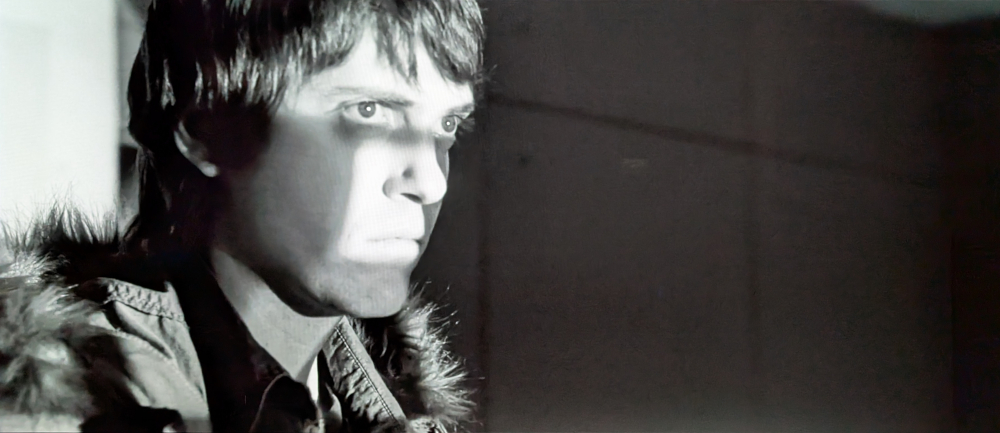
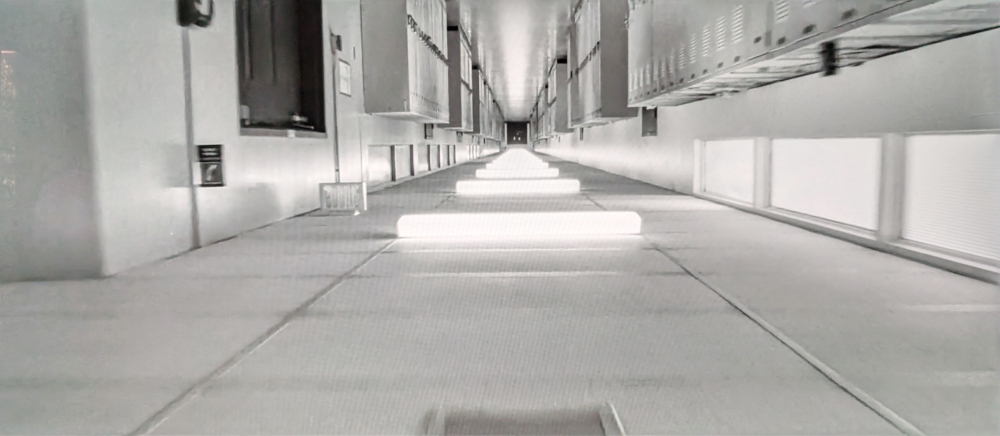
In depicting the shooting, Villeneuve carefully avoided a feeling of spectacle. The viewer experiences the event, right from the movie’s opening scene, from the perspective of the victims. When the shooter is depicted, he is most often seen from the perspective of people hiding. The movie was also shot in black-and-white to avoid the action-movie effect of blood on-screen. The reasoning here is similar to Picasso’s (also monochrome) Guernica, which was designed to communicate horror factually, like a newspaper. That influence is made clear with a foreshadowing: shortly before the shooter arrives, a character gazes at a poster of Guernica.
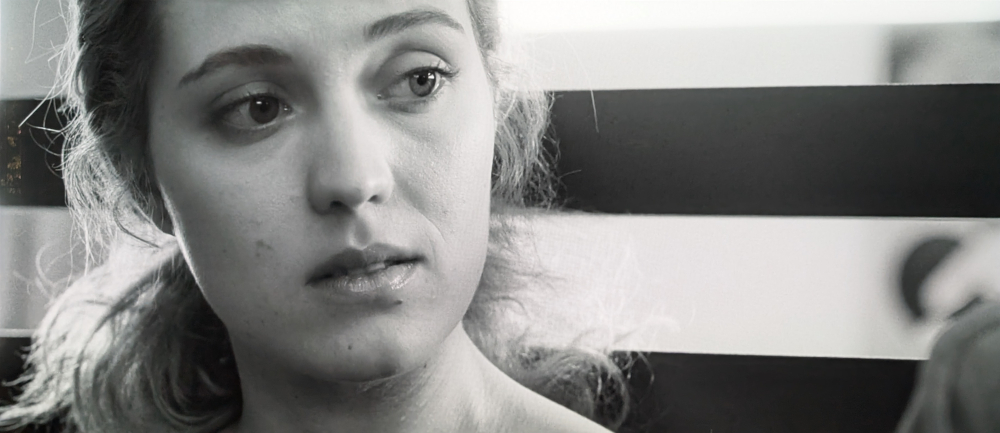
Polytechnique frames the attack’s purpose as misogyny. It starts by introducing two of the victims, who are roommates, getting ready for school. The camera captures typically feminine activities: shaving legs, choosing heels, and donning pantyhose. At the same time, we hear the killer’s letter of intent, describing his hate for the “feminists” and his belief that they have negatively impacted his life.
While it might seem redundant to spend time contextualizing this, the movie is correcting a historical wrong and taking a stance on a debate. The reaction in Canada at the time de-emphasized the identity-driven nature of the crime. The words used were “tragedy” and “students”. Not until 2019 (ten years even after this movie was released) did the City of Montreal update its memorial to describe this as an “anti-feminist attack”. There also seems to be an odd sentiment that describing this attack as misogyny, or indicative of a broader problem, is somehow anti-men.
Unfortunately, objects in the rearview mirror are closer than they appear. In the same year Polytechnique was released, a Pennsylvania man killed three women and injured 9 others. His writings detailed his frustration at being rejected by women. Five years later, Gamergate would result in widespread harassment, including credible death threats, of women in the gaming industry. The rationale of the harassers was that they were protecting gaming. Isla Vista, Bondi Junction, mass violence against women continues. Today we have the incel community, which is now recognized as a source of mass violence. In 2024, the US prosecuted the first misogynistic hate crime, a planned mass attack by a man whose stated goal was: “Women. I will slaughter out of hatred, jealousy, and revenge.”
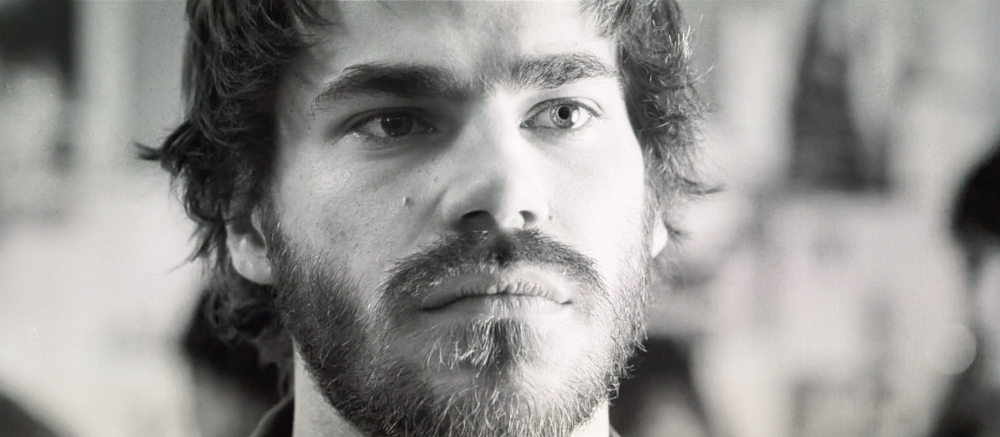
The movie also touches on another recurring public criticism after the Montreal shooting: why didn’t the men help? The depicted narrative touches on this both implicitly and explicitly. The pace of the shooting itself makes clear that few people could have even understood this as an attack solely on women. The real event lasted less than 20 minutes. Still, the movie takes time to show the psychological effects on one of the men who did realize it and did try to help.
At the time of the event, Denis Villeneuve would have recently graduated from Université du Québec à Montréal. It seems like this may have had a personal resonance with the director, as it was his first work after a nine-year hiatus. Difficult as it is to watch, Polytechnique is a still-current work of haunting beauty.
References
- National Post - Montreal massacre: 19 minutes at École Polytechnique
- CBC - 30 years after Polytechnique massacre, new memorial park sign to recognize killings as ‘antifeminist’
- BFI - Polytechnique: revisiting Denis Villeneuve’s controversial calling-card
- BFI Video Essay - Polytechnique: Depicting violence and its aftermath
- New America - Misogynist Incels and Male Supremacism: History
- The Lowy Institute - The hidden national security threat: Misogynistic extremism
- BBC - Bondi Junction mall attack: ‘Obvious’ killer targeted women, Sydney police say
- Southern Poverty Law Center - First Misogynist Incel Sentenced on Federal Hate Crime Charges
