 The second film by auteur filmmaker Bi Gan, A Long Day’s Journey Into Night (# 地球最後的夜晚) captures the parts of a lost romance that are left behind in memories and dreams. Like a Tarkovsky film (Bi cites Stalker as an influence), this film focuses on sensory experiences rather than a linear narrative.
The story is a romance between underworld characters in the Chinese city of Kaili. Luo Hongwu, the protagonist, remembers his relationship with a gangster’s girlfriend as he searches for her. The first half seems to be an out-of-order series of Luo’s real-world experiences. The second half goes to the opposite extreme: it’s a dream shown in real-time, a hypnotic 59-minute tracking shot.
Upon its release, reactions were mixed. Critics praised the cinematography, while audiences said the movie is hard to understand. That’s fair criticism: Long Day’s Journey could have given more orientation without losing its magical feeling. It’s easy to forget the opening narration, which gives context to both halves:
Any time I saw her, I knew I was in a dream again. And once you know you’re dreaming, it’s an out-of-body experience. Sometimes you float upwards. In my dreams I would always wonder, if my body were made of hydrogen. If so, then my memories must be made of stone.
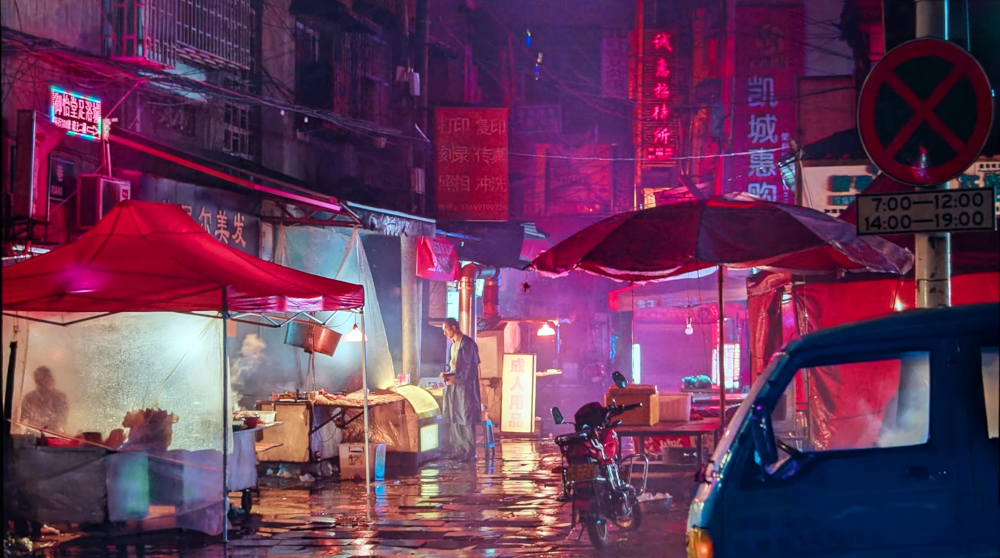
With its oneiric quality, shadows, rain, urban setting, criminal characters, and its femme fatale, Long Day’s Journey has all the makings of a noir. The striking use of neon lights reminded me of Blade Runner 2049. Has anyone coined the term neon noir yet?
It’s the recurring sensory experiences of these dreams and memories that makes Long Day’s Journey so mesmerizing:
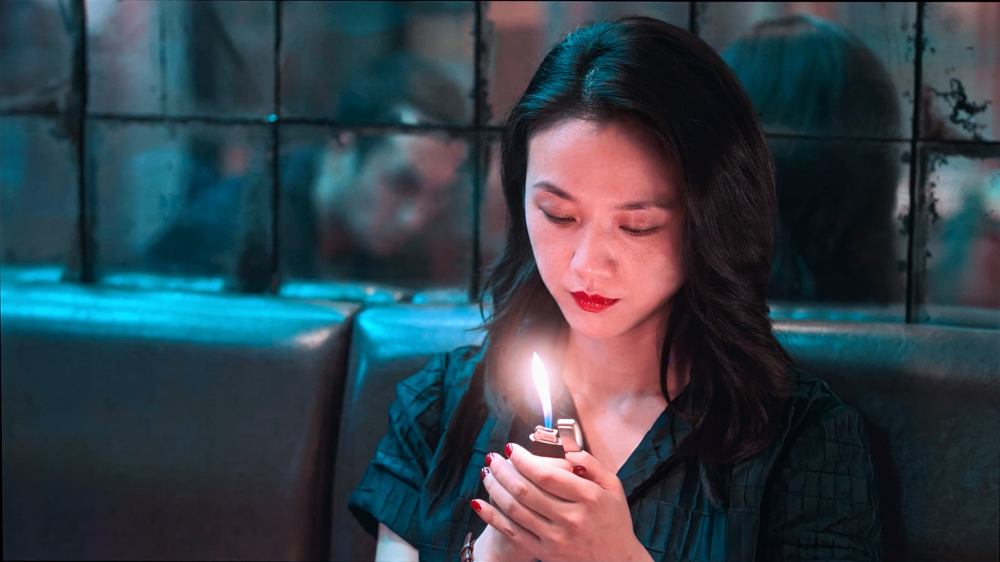
- A lover’s face by candlelight
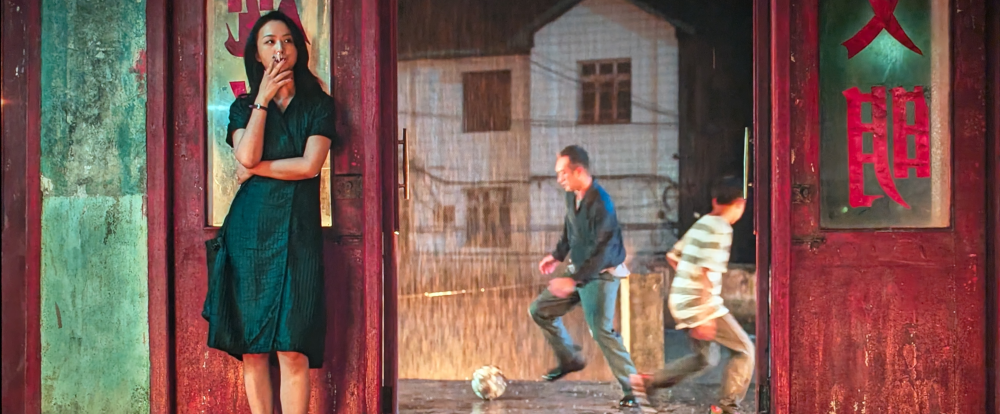
- A green dress
- The feeling of rain, of water
- The scent and taste of apples
- The neon lights of the city
The pacing would be considered slow cinema, which isn’t to everyone’s taste. For those that enjoy the genre, A Long Day’s Journey is a feast of stillness, romance, tension, and color.